TrapNode
Automate Predator Control. Make Every Trap Smart.
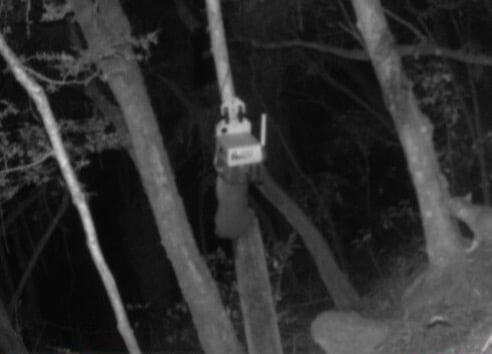
TrapNode turns conventional trapping into a connected, automated system—linking AT520-AI auto-traps, cage/kill traps, and site sensors to the Yarn Mesh network. Built for steep country, dense bush, and remote lines, TrapNode delivers real-time status, safe remote control, and proof-of-work straight into IMS Enviro Manager—so rangers manage by exception, not by walking every line.
Why TrapNode Matters?
- Fewer boots on the ground: Live catch status, AI classified interaction images, bait/lure timers, battery health, kill and interaction events—so teams visit only what needs attention, only when it needs it.
- Higher catch confidence: Event-driven alerts and image verification (with AI Cloud Control) ensure target species are eliminated and non-target species are protected.
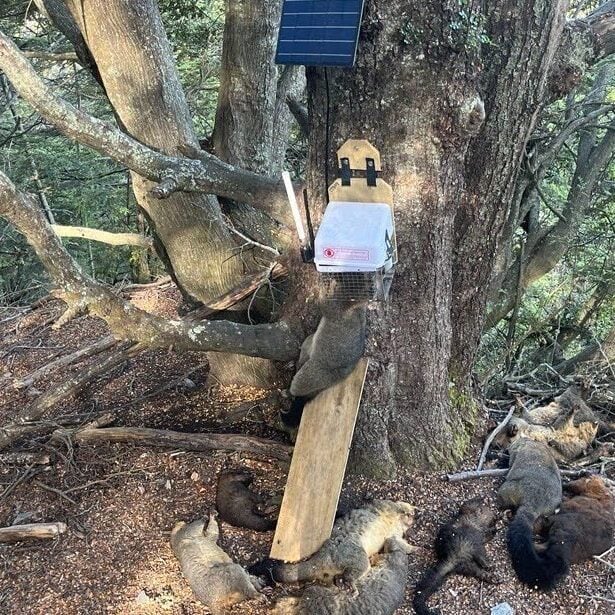
- Safer, smarter, automated operations: AT520-AI: Species Selective Arming (SSA), non-target species Cooldown, arming windows and much more, ensure you get the smartest automated trapping available, increasing efficacy and reducing labour up to 10x over traditional methods
AT520-AI Integration
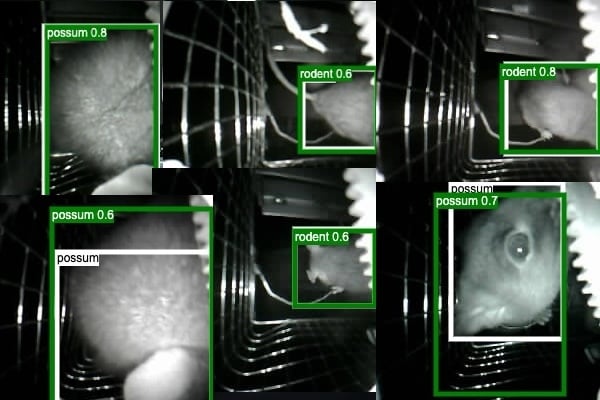
Supports remote arming/disarming, Species Selective Arming (SSA), AI driven interaction reporting, cycle counts, performance and service intervals for smart auto-traps.
- Proof & Traceability: Time-stamped events with GPS/location awareness for compliance, QA, and operational reporting.
- Managed in IMS: Live health, link quality, topology views, alerts and management-by-exception built in.
- Kill & Interaction Reporting: Generates AI classified images which are grouped by species interaction event.
Cage Trap Integration
Extend your network in minutes. Add Relays where the map fades and keep data flowing to IMS—reliably, predictably, everywhere.
Talk to our team for RF planning and a coverage design tailored to your landscape.
- Proof & Traceability: Time-stamped events with GPS/location awareness for compliance, QA, and operational reporting.
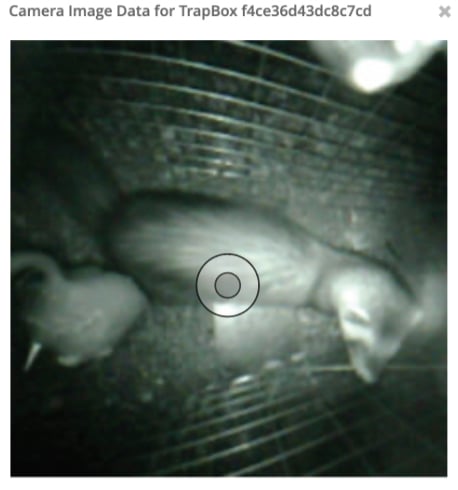
- Multiple Detection Methods: Proximity sensor, IR AI Camera and Accelerometer ensure you don't miss an interaction or triggered cage event.
- Reduce Costs, Increase Trap Nights: TrapNode for live-capture cages dramatically reduces your operational overheads and barriers to setting cage traps to catch elusive species, like Cats, Ferrets & Stoats. Can also be used for larger cage traps for Goats and Pigs.
Raise your catch rate—and lower field miles. Deploy TrapNode to automate trap lines and prove results in real time.
AT520-AI AutoTrap powered by Yarn Mesh TrapNode automates predator control operations—live trap status, safe remote control, Species Selective Arming (SSA) and proof-of-work over the Yarn IPv6 mesh, with real-time dashboards.
What is the AT520-AI and how does it work with Yarn Mesh?
AT520-AI is a humane, non-toxic, automatic multi-kill trap that’s remotely monitored. The Yarn Mesh TrapNodeconnects the trap to the Yarn Mesh network for live status, events, and remote management.
What alerts and data will my team receive?
You’ll receive real-time trap data (e.g., activations/interactions), AI classified species interaction images, device and network health, and operational telemetry streamed into IMS for dashboards, alerts, and automated reporting.
How quickly are notifications delivered?
Events are transmitted over Yarn Mesh and backhauled to the cloud via the Gateway’s managed IP link (LTE by default), enabling near-real-time visibility in IMS. Topology and coverage determine exact timing.
What infrastructure do I need to deploy AT520-AI?
A Yarn Mesh Gateway (for backhaul), TrapNode (attached to the trap), and Yarn Mesh coverage at the site. Relays can extend coverage across challenging terrain; data flows from devices → Gateway → IMS.
Is it humane and toxin-free?
Yes. The TrapNode powered AT520-AI is designed as a humane, non-toxic solution with an instant-kill piston mechanism—ideal for conservation and predator-control programmes seeking to avoid poisons.
What are the operational benefits versus traditional traps?
Remote monitoring and automated functions reduce field visits, support faster response, and scale across rugged landscapes—turning remote traplines into live, manageable assets through IMS.